Author: Ileana Kane, Owner of Ileana Kane Marketing
Published: June 2026
Likes feel good and certainly help with brand awareness, but they do not pay for a new service truck. For San Diego County plumbers, roofers, HVAC companies, and electricians, a successful social media strategy only works when it helps produce calls, messages, quote requests, and booked jobs.
That is why tracking matters. Using the right social media metrics helps you create a simple system that shows which platform, post type, and offer bring local leads, while weak content gets less of your time.
Start with the business goal, then match your numbers to it.
Key Takeaways
- Focus on tangible business outcomes, such as calls, booked jobs, and quote requests, rather than vanity social media metrics like reach and impressions, likes, or general follower growth.
- Align every social media campaign with a singular, primary goal as part of your broader social media strategy to ensure your data remains clear and actionable for your local service business.
- Utilize UTM parameters and call-tracking numbers to accurately attribute incoming leads to specific social platforms and posts.
- Prioritize local engagement by analyzing metrics such as profile visits from your service area and inquiries regarding your specific operating zones.
- Regularly review your social media scorecard, limiting it to a ten-minute monthly process, to identify high-performing content that drives revenue and helps you scale your efforts accordingly.
Start with social media goals that matter for your business
Most social media problems start before the post goes live. If you do not have clear social media goals, every number you look at will seem half-right. By defining specific social media goals from the start, you ensure that every campaign is built to drive meaningful actions, such as phone calls, direct messages, form fills, or booked estimates.
A local service business must prioritize these meaningful actions to see a return on investment. While website traffic can rise during a campaign, it may do nothing for your actual revenue. A busy report means very little if the phone stays quiet.
Pick one primary goal before you post again
Choose one primary goal for each campaign or content push. This focus makes tracking cleaner and helps you align your efforts with business growth.
If you are an HVAC company in San Diego County, one month might focus on tune-up bookings. A roofing company may want quote requests after storm damage, while a plumber may care most about same-day calls from nearby homeowners. Each objective requires specific content and a tailored landing page.
When one campaign tries to do everything, the data becomes difficult to interpret. You might see views, a few comments, and some clicks, but you lose the clear answer about what actually moved a sale. If your team is posting often but cannot tie your social media strategy to actual revenue, a No-cost discovery call can help you choose the right target first.
Use metrics that match real business outcomes
Some numbers help diagnose performance, while others show true business value. It is important not to treat them as equal.
Metrics like reach and impressions help you determine if people noticed the post, and they serve as primary diagnostic tools for your overall brand awareness. However, you should distinguish these from your engagement rate, which tells you how much your audience is interacting with your content to build brand awareness over time. Ultimately, your conversion rate is what matters most, as it tracks how many of those interactions turn into booked jobs. A post can look popular in terms of vanity metrics and still bring in low-fit leads or no business at all.
For local businesses, lead quality matters more than broad attention. Fifty clicks from homeowners in your target service area are far more valuable than five hundred views from people who will never hire your company.
Analyze social media metrics to see if social media is working
To determine if your efforts are driving actual growth, you need to look past vanity metrics like likes and shares. Instead, focus on data that correlates directly with your sales funnel. When you analyze social media metrics to see if social media is working, you should prioritize indicators that show high intent, such as click-through rate, profile visits, and direct messages.
By using social media analytics, you can evaluate the effectiveness of your efforts with greater precision. If a specific campaign generates significant website traffic, you have proof that your channels are successfully converting casual followers into potential customers. Regularly reviewing social media metrics helps you identify which platforms provide the best return on investment. Furthermore, utilizing social media analytics allows you to refine your approach and ensure your social media strategy is optimized to impact your bottom line. Assessing these figures helps you move beyond guessing and start making data-driven decisions that grow your business.
Use the right numbers for tracking social media performance
Busy owners need a concise scorecard rather than a pile of complex charts. Keep your process for tracking social media performance simple enough to review in ten minutes each week. Consistent monitoring allows you to identify which efforts actually drive revenue, while incorporating regular social media reporting and analyzing follower growth into your monthly scorecard helps you track important long-term trends.
Use the right numbers for tracking social media performance
Busy owners need a short scorecard, not a pile of charts. Keep your process for tracking social media performance simple enough to review in ten minutes. Consistent monitoring of social media metrics allows you to see which efforts actually drive revenue, while incorporating reporting and follower growth into your regular scorecard helps you track long-term trends.
Track reach, engagement, clicks, and conversions
Start with four buckets to organize your data: reach and impressions, engagement rate, click-through rate, and conversion rate.
Reach and impressions show how many people saw the content and how often it appeared. Your engagement rate, measured by comments, shares, and saves, tells you whether the content truly connected with your audience. A high engagement rate is a strong indicator of resonance. Next, look at your click-through rate to see how many people moved from the post to your website. Finally, track your conversion rate. This is the part that matters most, including calls, form fills, direct messages, and booked appointments.
This sequence matters because attention is only the first step. If a Facebook post gets shares but no calls, reach and impressions may be high, but the conversion rate for sales is weak. If an Instagram Reel has a lower click-through rate but drives estimate requests, it is the more valuable post. By consistently monitoring your reach and impressions, you can better understand how your content impacts the bottom line. If you want a broader framework for judging return, Sprout Social’s ROI guide gives a useful way to connect social actions to business results.
Watch for signs that your audience is local and ready to buy
A local business does not need random attention. It needs nearby people with a real problem.
Use social media analytics to look for profile visits from people in your service area, comments that mention neighborhoods, direct messages asking if you serve a certain ZIP code, and clicks to service pages. These neighborhood questions contribute to overall brand health and indicate increasing brand awareness among local homeowners. Watch for questions about timing, price, availability, or what happens next. Those are buying signals.
You may also notice a lift in branded searches after steady posting. Social media does not control Google Maps rankings, but it can feed local trust by putting your name, reviews, and job photos in front of nearby homeowners.
Set up simple tracking so you know where leads come from
Tracking works best when it fits your actual routine. You do not need a complex dashboard to spot what is pulling its weight.
Use tracked links, phone calls, and form fills
Give each platform its own tracked link. The best way to do this is by using UTM parameters, which ensure that referral traffic is correctly attributed to the specific source in your analytics tools. By adding unique UTM parameters to your URLs, you can easily tell whether Facebook or Instagram sent referral traffic to your AC repair page.
Calls and forms are the clearest proof. A call tracking number can show which source drove the phone lead, while a contact form can capture source data in the background. This allows you to stop relying on manual questions like “How did you hear about us?” and get more reliable data.
Keep your landing pages mobile-friendly, because many local prospects tap through on a phone and want quick action. If you want help checking your setup, book a No-cost discovery call.
Check platform insights and Google tools each month
Review your social media reporting once a month rather than every afternoon, as daily swings can waste your attention.
Start your review by checking platform insights for reach, saves, shares, and profile actions. Digging into your social media analytics is essential for understanding which content formats drive engagement. Next, compare these social media metrics with data from Google Analytics, call logs, and form submissions to see how they align with your broader social media goals. Use social listening to monitor for neighborhood-specific inquiries that might not show up in traditional clicks. This social listening also helps you track your brand health as you gain visibility in local groups.
While Google Search Console will not show referral traffic the same way Analytics does, it can show whether branded searches and service page clicks rise after a strong content push. Analyzing these social media analytics alongside your lead data provides a clearer picture of your return on investment. For a wider view of why tracking these figures can be complex, the MIT Sloan Review on social ROI notes that platform data must always be viewed in the context of your overall return on investment.
Turn better tracking into better content
Once you know what creates leads, your content plan gets easier. You stop guessing and start repeating what works.
### Post proof that reduces doubt
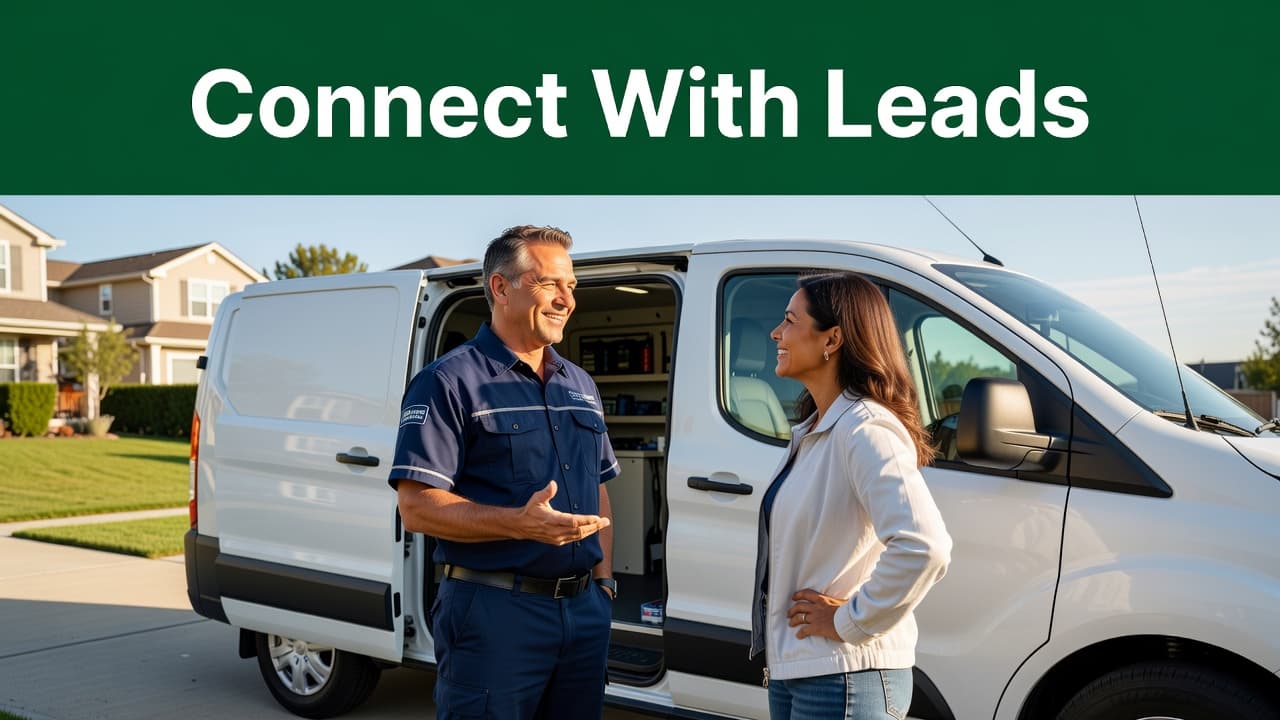
Proof makes social posts stronger. Before-and-after photos, short case examples, review screenshots, and recent job updates help people trust you faster, which significantly improves your content performance. When you showcase real projects from Chula Vista, El Cajon, or other nearby areas, your business feels active and local. This strategy boosts your engagement rate while encouraging organic brand mentions online.
By consistently sharing this type of proof, you strengthen your overall social media strategy and increase your social share of voice in San Diego. When you monitor the content performance of these posts, you will often find they yield a higher engagement rate than generic promotional updates. You can also reuse that proof in Google Business Profile posts and on your primary service pages.
Focus on questions buyers ask before they hire
Good posts answer the questions people ask right before they contact you. Conducting a competitive analysis will reveal that many customers want to know about price ranges, service areas, response times, and the decision between repair versus replacement. Addressing these concerns early helps manage expectations and can positively influence your customer satisfaction score and net promoter score over time.
Keep those answers short and easy to scan. A quick video, a simple graphic, or a plain caption often works better than a long speech, and this style of FAQ content typically improves your content performance. Short content also helps when people skim on mobile.
Most importantly, match the post to the next step. If the topic is water heater replacement cost, link to the related service page. If you are using these posts for paid boosting, keep an eye on your cost per click to ensure your social media metrics remain healthy. If the topic is same-day plumbing, make the call button easy to find.
Frequently Asked Questions
Why are vanity metrics like likes and shares less important for service businesses?
While vanity metrics can signal brand visibility, they do not directly correlate to revenue or booked appointments. For local service companies, metrics that indicate intent, such as contact form fills, phone calls, and direct messages, are the only true measures of a successful social media strategy.
How often should I review my social media performance data?
We recommend a monthly review rather than daily monitoring to avoid getting caught up in minor fluctuations. This allows you to identify broader trends and assess how your efforts align with your Google Analytics and internal lead data.
What is the best way to track where my social media leads are coming from?
Use UTM parameters for all links shared on social media, as these allow you to trace clicks back to a specific post or platform. Additionally, you should analyze your social media metrics alongside dedicated call tracking numbers to determine which specific sources are driving the most phone inquiries.
How can I ensure my social media audience is actually local?
Monitor your social media analytics for profile visits originating from your specific service area and look for engagement from users in your target ZIP codes. You can also review incoming messages and comments to see if users are referencing specific neighborhoods or asking about your local service radius.
Conclusion
Social media is working when it brings real local results, rather than just looking busy. A successful social media strategy for San Diego County businesses requires balancing reach and impressions with a high conversion rate. You should prioritize tracking leads, comparing platform performance, and keeping the focus on calls, messages, and booked jobs.
Tracking the right social media metrics and aligning them with your primary social media goals ensures a better return on investment over time. When you analyze important social media metrics, such as your cost per click for lead generation posts, you gain a clear view of what actually drives revenue. Clear goals, simple source tracking, and proof driven content will tell you far more than follower counts ever will. When you measure what leads to sales, your next post becomes much more effective.
If your current setup feels unclear, Call Us Today and talk through what is working, what is not, and where the leads are slipping away.