More traffic can look good in a report and still do nothing for sales. If your site attracts people who want advice but not a quote, your SEO is pulling in browsers, not buyers.
The better target is buyer intent SEO. It helps you show up when someone is close to calling, booking, or comparing providers. Once you focus on intent, your pages get sharper and your leads get stronger.
Start with searches that show action
Not all search terms have the same value. Someone who types “how to unclog a drain” wants information. Someone who searches “emergency plumber near me” wants help now. That difference shapes the whole strategy.
High-intent searches usually include words like “near me,” “cost,” “quote,” “repair,” “best,” “same-day,” or “service in [city].” These terms often show a person has moved past research and into decision mode. As Salesforce’s SEO lead generation guide explains, organic search works best when it attracts self-directed buyers who are already looking for solutions.
For service businesses, that means you should group keywords by service and urgency. A roofer might target “roof leak repair,” “roof replacement cost,” and “roof repair in Chula Vista.” A cleaning company might get more value from “move-out cleaning service” than “how to clean tile grout.”
This quick comparison shows how intent changes page strategy:
| Search | Intent | Best page |
|---|---|---|
| water heater leaking | Researching a problem | Blog post or FAQ |
| water heater repair cost | Comparing options | Service page |
| water heater repair Chula Vista | Ready to contact someone local | Local service page |
The pattern is simple. The closer the query gets to a real job, the closer your page should get to a conversion. If your keywords don’t show buying signals, your traffic can rise while leads stay flat.
Build service pages that match one need and one location
Once you know what buyers search for, give each important search a clear destination. A broad “Services” page usually doesn’t rank well for detailed local searches. It also makes visitors work too hard to figure out whether you handle their job.
Create separate pages for each core service. Then pair those services with the areas you serve. If you offer drain cleaning, sewer repair, and water heater work, each one needs its own page. If you work in Chula Vista, National City, and El Cajon, location pages can help match those searches as well.
Each page should explain the service in plain language. Include what the problem looks like, who the service is for, what the customer can expect, and how to get started. Add local details where they fit, such as neighborhoods, travel range, or common property types in that area.
A page should help one buyer make one hiring decision.
That structure brings two wins. Search engines can tell what the page is about, and visitors can tell they are in the right place. Even outside home services, this article on qualified leads from SEO shows the same result: targeted pages bring in better prospects than broad awareness content.
For local companies, page clarity also supports Map Pack performance. Your business name, address, and phone number should stay consistent across the web (NAP consistency matters), along with your service areas and Google Business Profile. Mixed details create doubt for both search engines and customers.
Make it easy for ready-to-buy visitors to act
Ranking is only half the job. If a high-intent visitor lands on your site and can’t find the next step fast, the lead disappears. Good pages reduce friction.
Put your phone number, quote form, and service area near the top of the page. On mobile, make the call button easy to tap. Keep forms short. Ask for the details you need to start the conversation, not every piece of information you might want later.

Wording matters too. “Request a quote” tells people what happens next. “Learn more” is weaker when someone already wants service. The same goes for page layout. If your main contact option is buried under a wall of text, many buyers won’t bother.
Local search adds another layer. A lot of service leads start in the Google Map Pack before the website visit. That means your Google Business Profile needs accurate hours, service categories, fresh photos, and a clear description of what you do. When the listing and the landing page line up, conversion gets easier.
If your site ranks but inquiries stay low, the gap is often in the handoff between search and action. A quick review can uncover weak calls to action, cluttered pages, or missing service intent. If you want help finding those gaps, book a No-cost discovery call.
Use trust signals that calm last-minute doubt
Many buyers don’t need a long sales pitch. They need proof that you do solid work, show up on time, and make the process easy. That proof should sit close to your calls to action, not on a hidden page nobody sees.
Recent reviews help most when they mention real details. A short comment about fast response time, clean work, or fair pricing carries more weight than a generic five-star rating. Pull short testimonials onto relevant service pages when you can.
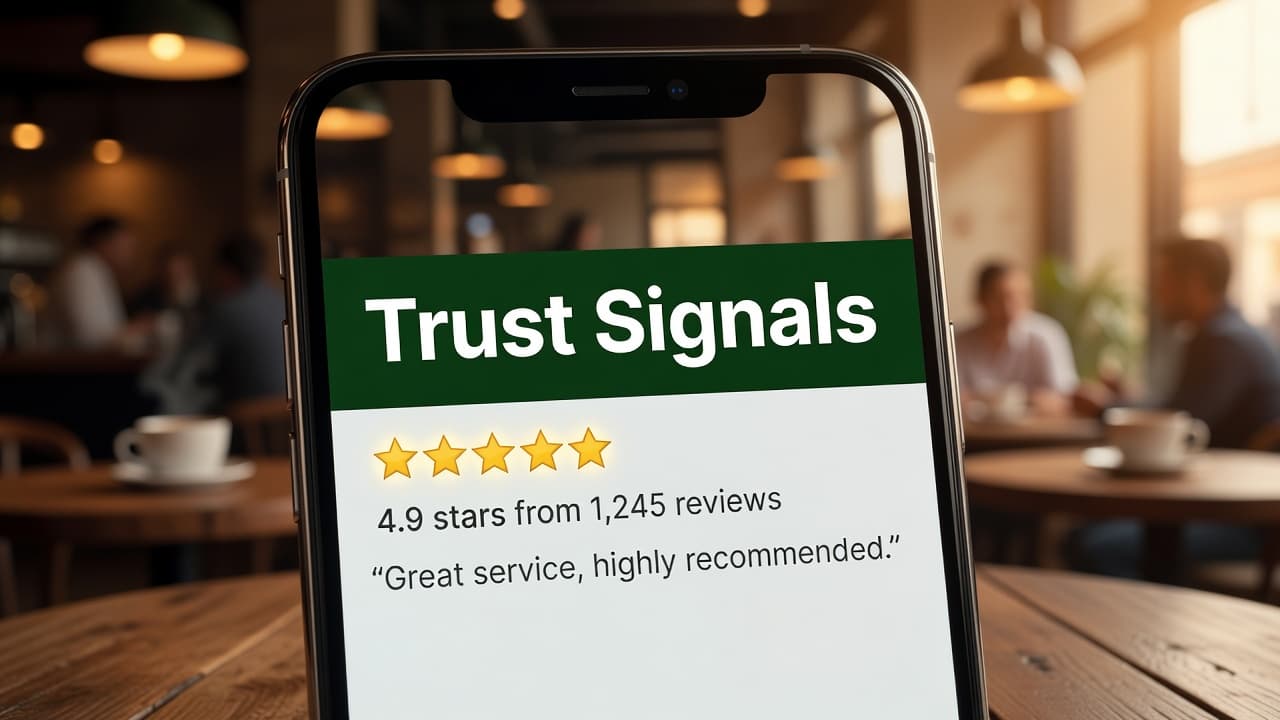
Photos from real jobs also help. So do licenses, warranties, financing options, and plain answers to common questions. If you offer free estimates, say it clearly. If pricing depends on inspection, explain why. Buyers often leave because the site hides basic facts they expect to see.
Trust also grows from consistency. The same phone number, business name, and service area should appear on your site, local listings, and profile pages. When every touchpoint tells the same story, people feel safer reaching out.
This part of buyer-intent SEO is easy to overlook because it doesn’t always change rankings first. It changes response rates, which is what most businesses care about.
Track lead quality, not empty traffic
SEO gets praised for clicks, impressions, and rankings. Those numbers matter, but they don’t tell you whether the right people are finding you. A page that brings 20 strong leads beats one that brings 2,000 low-intent visits.
Track what happens after the visit. At a minimum, watch:
- calls from organic search
- form submissions by landing page
- booked estimates and closed jobs tied to service pages
That small scorecard changes how you judge performance. You may find that one city page gets fewer visits but far better leads. You may also find that a popular blog post attracts people who never plan to hire anyone.
When you review lead quality, your content plan gets tighter. You stop chasing random traffic and start improving the pages that produce real conversations. That is where buyer intent and SEO start working together instead of pulling in opposite directions.
If you want a second opinion on whether your pages attract shoppers or serious prospects, Call Us Today.
Conclusion
More traffic is not the goal. Better inquiries are the goal, and that starts with matching your pages to people who are already close to hiring.
When you target action-based searches, build clear local service pages, remove friction, and show proof, SEO starts pulling in stronger leads. That is what buyer intent SEO should do.
If your rankings look fine but your pipeline feels thin, the issue may not be visibility. It may be intent.