
Author: Ileana Kane, Owner of Ileana Kane Marketing
Published: June 2026
Are your social media marketing costs spiraling out of control because you are trying to maintain a presence everywhere at once? While creating social media platforms is free, the number of channels you actively manage directly impacts your monthly bill. This guide explores the true scope of social media marketing expenses, breaking down how labor, software subscriptions, ad spend, and content creation scale as your brand presence grows. By understanding these variables, you can move beyond surface-level expenses to build a sustainable, ROI-focused strategy.
Although the platforms themselves cost nothing to join, the real investment lies in the professional social media management required to sustain them. Whether you hire an internal team or partner with a social media agency, these costs include content creation, scheduling, community engagement, reporting, and high-level strategy. That distinction matters significantly for small businesses because social media can appear inexpensive on the surface while becoming quite costly in practice. The key to maintaining a healthy budget is developing a cohesive social media strategy that helps you identify which tasks produce real ROI and which ones simply add unnecessary overhead.
Key Takeaways
- Platform Costs are Labor-Driven: While creating accounts is free, the actual cost of social media marketing stems from the time and resources required for content creation, community engagement, and complex reporting.
- Scaling Increases Hidden Fees: Adding new platforms forces businesses into higher software subscription tiers and often necessitates increased spending on paid advertising to maintain reach.
- Content Requirements Compound: Each social channel has unique formatting and tone requirements, meaning a single campaign often requires multiple tailored assets, significantly increasing production time.
- Prioritize ROI over Presence: A focused strategy on one or two high-performing channels is usually more cost-effective and successful than maintaining a thin, inconsistent presence across many platforms.
Why more social media platforms increase social media marketing costs and social media advertising costs
Adding more social media platforms to your strategy is the primary driver behind rising social media marketing costs and social media advertising costs. While creating a profile on any network is free, the resources required to maintain a professional and consistent presence compound with every new channel you launch. Professional social media management becomes significantly more demanding as you scale, requiring additional hours for community engagement and complex ad strategy. Furthermore, content creation requirements grow exponentially with each new profile, as your team must adapt assets to fit the unique technical specifications and audience expectations of every platform. Consequently, you will likely see a direct rise in your total expenses as you attempt to balance the increased workload across your entire digital ecosystem.
Why more social media marketing costs grow with more platforms
Each new channel adds another lane of work. Even when a profile is free to create, the daily demands expand. Salesforce notes in its small business social media guide that most social media platforms are free to start, and that remains true for many businesses in 2026.
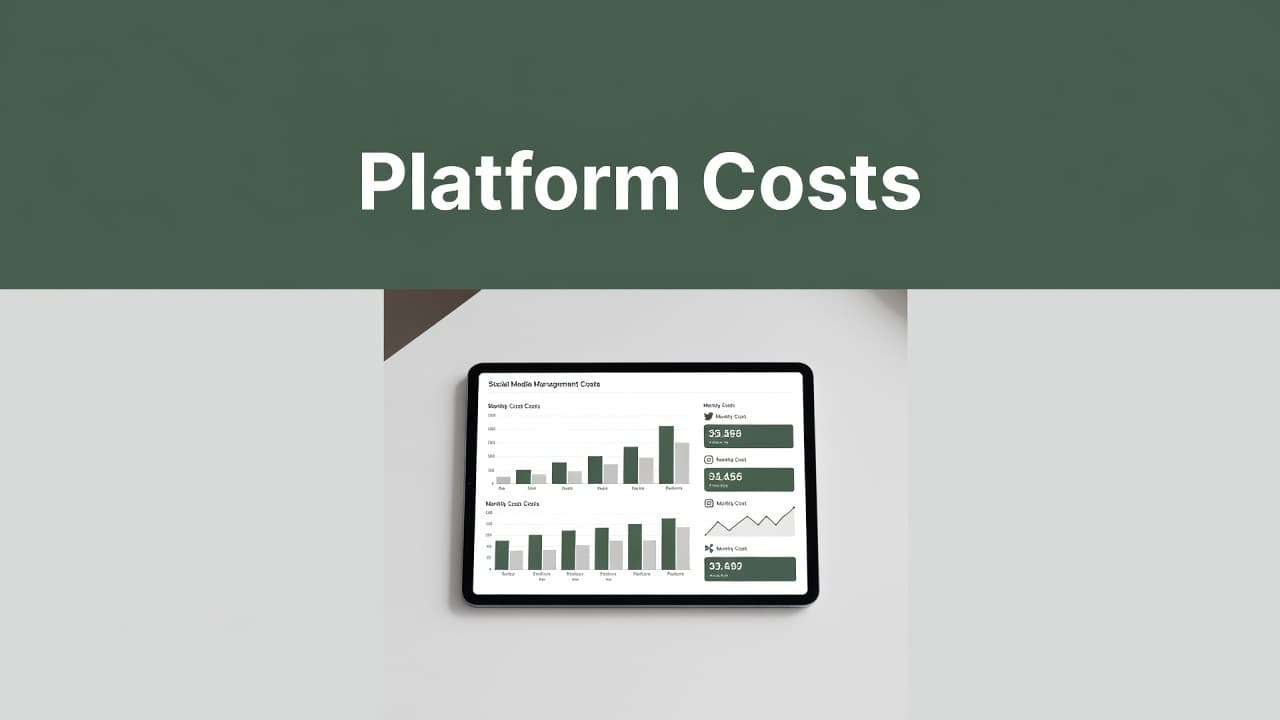
The catch is simple. More accounts usually mean more posts, more creative assets, more monitoring, more messages, and more reports. If one channel underperforms, you still pay for the hours spent planning and maintaining it. That is why your platform count often changes your monthly bill before you even consider ad spend.
### How content creation impacts social media marketing costs
Content rarely transfers cleanly from one site to another. Instagram favors strong visuals, while LinkedIn often requires a more formal voice. TikTok rewards short video, and X demands brevity.
Because of these unique requirements, your content creation efforts must scale alongside your platform count. A single campaign often turns into several versions to suit different audiences. Design time rises, and copywriting takes longer because hooks and captions must be tailored for each feed. Since a solid social media strategy aims to boost brand awareness, you cannot simply cross-post the same asset everywhere. Instead, effective content creation requires producing square graphics, vertical reels, and unique text posts to ensure your message resonates across every social media platform.
Why management time dictates social media marketing costs
Social media management often becomes the largest hidden cost of expanding your digital presence. Someone must plan the editorial calendar, publish posts, answer comments, monitor direct messages, and analyze results. If an employee handles that work, the hours still hit your budget, even if social media is only part of their daily role.
Professional social media management becomes even more expensive when you look toward external help. Many a freelance expert or a specialized social media agency will price services based on account count, post volume, or reporting depth.
When you add a new platform, you may see an increase in your monthly fee, alongside more approval rounds, extra meetings, and longer reporting cycles. Whether you hire a freelancer to handle the workload or partner with a full-service social media agency, labor is often the line item that surprises business owners the most when managing their ad spend and overall strategy.
The parts of social media marketing that usually affect your bill most
Most bills rise through support costs, not platform sign-up fees. Three items usually drive the total social media marketing costs for your business:
- Software: Subscription costs for social media management tools used for scheduling, analytics, and creative assets.
- Ads: The ad spend required for effective reach and lead generation.
- Labor: The hours required for strategy, content creation, and community management.
Paid tools, schedulers, and reporting software
One platform may fit inside a basic scheduler or a free plan. However, managing several platforms often pushes a business into a higher paid tier for social media management tools that offer advanced publishing, inbox management, and custom reporting.
That shift matters because your stack of social media management tools can increase costs quickly. A tool that saves time can still raise your monthly bill if you need team access, content approvals, and cross-channel reports. Some businesses also add design tools or social listening software once the workload spreads across more channels, sometimes even factoring in influencer marketing expenses to expand their reach.
Ad spend on top of organic posting
Social media advertising costs are separate from organic posting, and they can quickly outgrow every other expense. A business might post on Instagram and Facebook for free, then spend thousands each month on paid reach. Whether you are running Facebook ads, Instagram ads, LinkedIn ads, or TikTok ads, each platform requires its own budget, targeting, and updates.
When managing social media advertising costs, you must consider your specific campaign objectives. Whether you prioritize brand awareness or conversions, the cost per click (CPC) or the cost per thousand impressions (CPM) varies significantly by platform. For instance, the CPC for LinkedIn ads often differs from TikTok ads, and your campaign objectives will dictate whether you focus on static images or video ads to capture attention.
Understanding your average CPC is vital for budget control. If your Facebook ads or Instagram ads are not performing, you might need to adjust your strategy or creative assets. Because social platforms offer precise targeting, they allow you to monitor your CPM and optimize for better efficiency. If you find your CPC remains high, you may need to pivot your approach to better align with your campaign objectives. Integrating video ads into your strategy can also impact your total ad spend, as these video ads often require more production time and resources. Even with these tools, the precision is useful, but it also means more setup and more ongoing management for your Facebook ads and Instagram ads.
Hiring outside help for strategy or content
Strategy and content support are usually priced by scope. If you ask for two platforms, a monthly calendar, short-form video, and reporting, the retainer reflects that workload. Add three more channels, and the price rarely stays flat.
Quality matters more than platform count. A steady presence on two channels often beats weak, inconsistent posting on five. Many businesses spend too much because they chase every platform instead of funding the channels that bring calls, leads, or booked jobs.
How to tell whether you really need more platforms
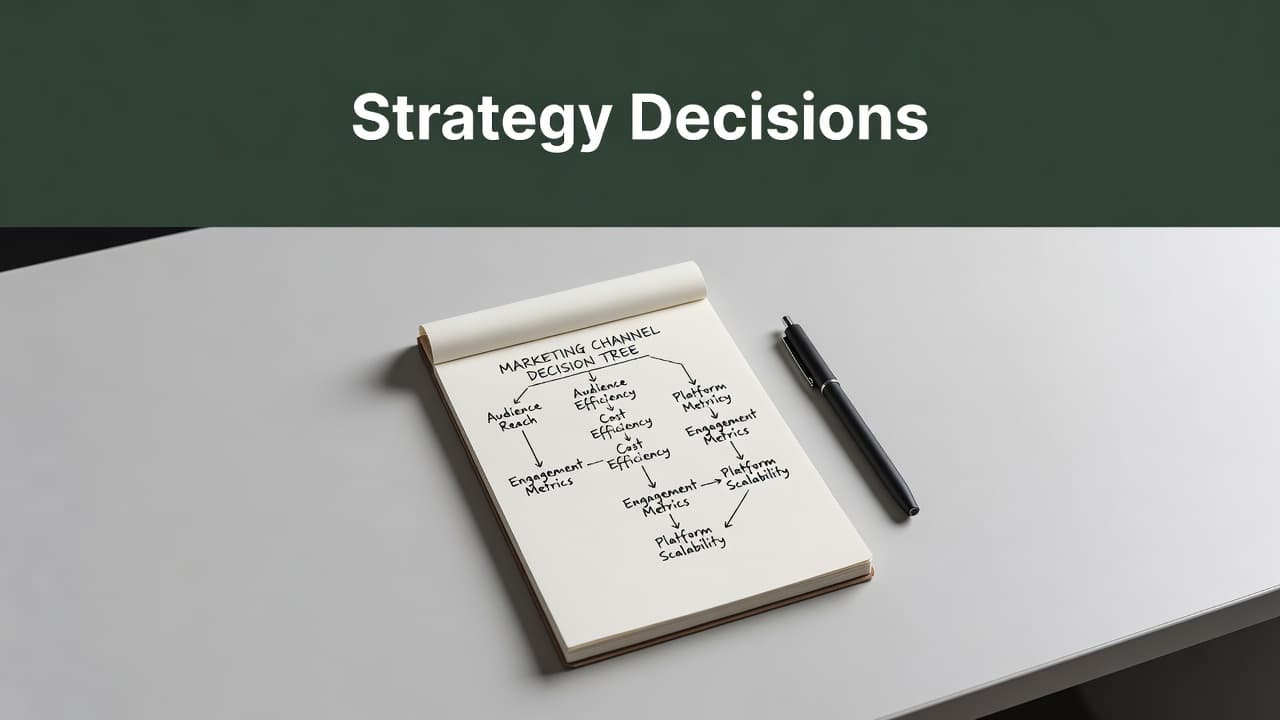
Before you add another account, step back and measure fit. More reach sounds attractive, but reach without return is expensive. Your social media strategy should prioritize quality over quantity to ensure your resources are used effectively by focusing on your specific target audience. Want someone to discuss your social media strategies to help generate additional revenue streams? Call us at: +1-732-965-8050.
### Start with the channels your audience already uses
Start with the places where your target audience already spends their time. A B2B firm may get better results from LinkedIn than TikTok, while a visual brand often performs well on Instagram. A local service business targeting a specific community may see stronger returns from Facebook and Google Business Profile activity than from a fast-moving platform that demands constant video content. It is vital to remember that selecting the right target audience requires you to align your channel choice with the actual online behavior of the people you want to reach.
The Oregon Small Business Development Center’s overview of social media for small businesses makes the same point in practical terms: social channels work best when they match the target audience you want to reach. For many small businesses, strong coverage on one or two platforms is usually cheaper and more effective than thin coverage everywhere. By focusing on where your target audience is most active, you can streamline your social media management efforts and improve your overall results.
Compare the cost of one more platform with the expected return
Put a dollar figure next to any potential new platform. Estimate the monthly time, creative work, software needs, and expected social media advertising costs. Then, compare that total with what the platform could realistically bring in to determine the potential return on investment.
If you cannot point to likely leads, calls, appointments, or sales, the extra channel may simply become a cost center. Track results for a fixed period, then judge the channel by revenue, lead quality, or booked jobs to calculate the true roi. When a platform supports a clear goal within your social media strategy, the added social media marketing costs can make sense. However, when the return on investment does not materialize, the platform often becomes an unnecessary drain on your budget. Effective social media management requires that you constantly monitor your roi to ensure every channel justifies the time and money invested. When you align your platform choices with the habits of your target audience, you ensure that your spending is directed toward growth rather than wasted effort and verify that your roi aligns with your long-term business goals.
Frequently Asked Questions
Why does adding a new social media account increase my monthly bill even if the sign-up is free?
While the platform itself is free to join, the professional social media management required to maintain a consistent brand presence is not. Each new account requires additional hours for content creation, community engagement, reporting, and strategy, which adds either internal labor costs or external agency fees to your bottom line.
How do paid tools affect social media marketing costs as I scale?
As you add more platforms, you will likely outgrow the basic or free plans offered by scheduling and analytics software. Managing multiple channels often requires premium software subscriptions that include team access, content approval workflows, and advanced cross-platform reporting features, all of which contribute to rising social media marketing costs.
Should I prioritize more platforms to increase brand awareness?
Not necessarily, as reach without return can quickly become a significant financial drain. It is more effective to focus your budget and efforts on the specific channels where your target audience is most active and where you can generate clear, measurable business results like leads or sales.
How can I determine if a social media platform is worth the investment?
To evaluate a platform, calculate the total cost of maintaining it, including internal labor, creative production, software, ad spend, or fees paid to a social media agency, and compare that to the leads, appointments, or sales it generates. If the channel does not contribute to your business objectives, it is likely acting as an unnecessary cost center rather than a growth engine.
Conclusion
Adding more social media platforms usually increases your monthly social media marketing costs, but this expense is rarely tied to the platform itself. Instead, the higher bill is driven by the labor required for professional social media management, the subscription fees for necessary tools, content production, and increased ad spend. While businesses often expand their presence to boost brand awareness, they must carefully weigh that brand awareness against the actual return on investment.
Review your current channels and track which ones produce real business results. If you want help trimming waste and choosing the right mix, book a No-cost discovery call to refine your social media strategy and build a leaner plan focused on improving your ROI and what actually works for your bottom line.