
Author: Ileana Kane, Owner of Ileana Kane Marketing
Published: July 2026
You cannot force Google to stretch your visibility from one office across an entire metro area. Because Google weighs proximity so heavily, the smarter goal is to expand your Google Map Pack presence by building stronger local signals, increasing trust, and optimizing pages that turn visitors into leads.
This is essential if your agency wants to improve its ranking in local search results without relying on paid advertising for every single click. The good news is that your reach can grow over time when your profile, website, and Local SEO efforts all point in the same direction to establish consistent authority.
Key Takeaways
- Proximity is Paramount: Google’s algorithms prioritize physical distance, meaning your office location is the primary factor in determining your Map Pack reach; you cannot artificially “stretch” this radius through profile settings alone.
- Build Holistic Local Signals: To extend your reach, focus on strengthening your Google Business Profile with accurate information, maintaining a steady flow of recent reviews, and optimizing your website with location-specific content.
- Use Real-World Validation: Avoid tactics like fake locations or address stuffing, which risk suspension; instead, build genuine local authority through community involvement, consistent citations, and real-world backlinks.
- Measure with Precision: Move beyond manual searches on your own device by using geo-grid tracking tools to understand your actual visibility by zip code and lead quality.
What really decides how far your Google Map Pack listing shows up
Google has been clear about the core signals behind local rankings: Relevance, Distance, and Prominence. In plain English, Google asks three questions. Does this business match the search, how close is it to the searcher, and does the business look trusted online?
Results can shift block by block because the searcher’s location changes the answer. Search wording changes it too. A city-center search can favor one office, while a search from a nearby neighborhood can favor a smaller competitor closer to that person.
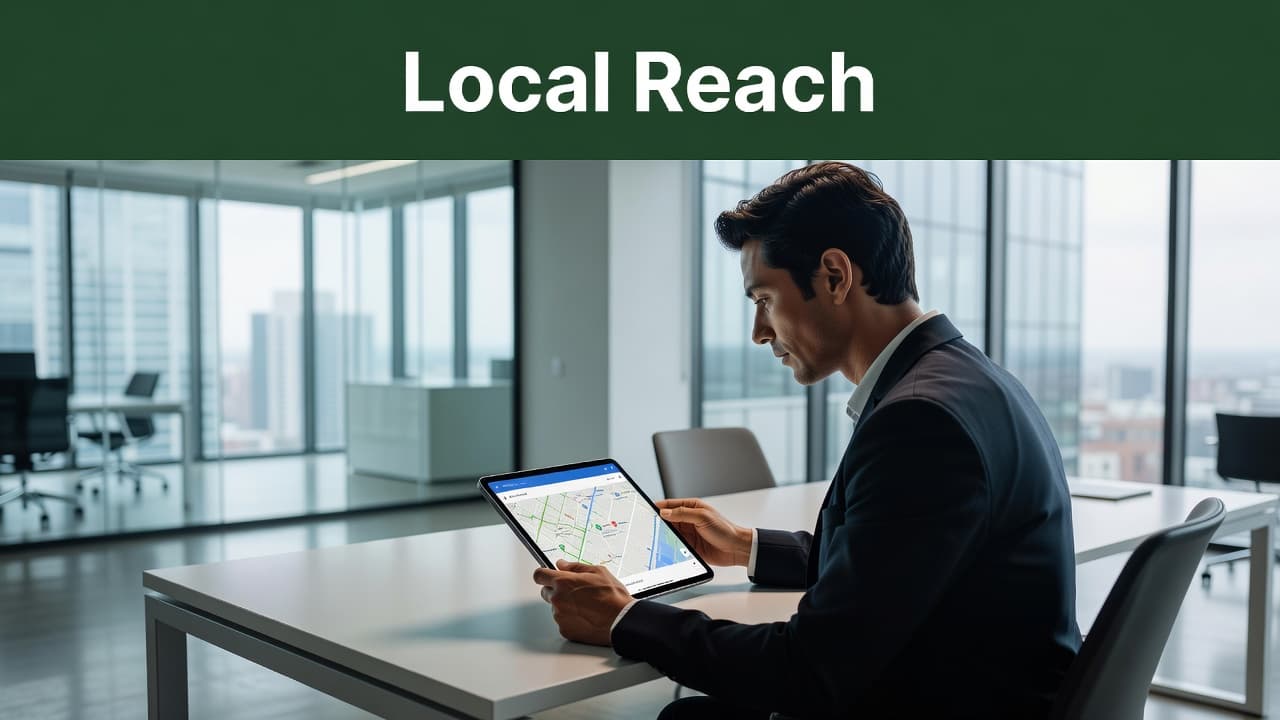
Why proximity beats clever profile settings
A business can rank well in its home city and still disappear a few miles away. That is not a glitch. It is how local search works after Google’s Vicinity update put even more weight on real-world Proximity.
Adding more service areas does not create new ranking centers.
Changing business hours, hiding your address, or stuffing extra cities into your profile will not override proximity. While users may still refer to the tool as Google My Business, your verified Physical address remains the primary factor that dictates your reach. Service-area settings tell Google where you work, but your location still matters most.
How search intent changes the map
Search intent also bends the map. “Marketing agency near me” leans harder on the user’s location. “Marketing agency in Chula Vista” leans harder on that city phrase.
That is why nearby towns can behave differently. Some are packed with competitors. Others sit farther from your office or closer to a city centroid that favors businesses in the middle of town.
Why the Local 3-pack is not the same everywhere
The Local 3-pack is not one fixed leaderboard. It refreshes based on where the search happens, what Mobile search device someone uses, and what words they type.
If you are checking rankings from your office, you might see a stronger result than a prospect sees from Eastlake, National City, or downtown San Diego. That gap causes a lot of false confidence.
How to widen your agency’s Map Pack reach the right way
You can’t trick Google into widening your radius, but you can build stronger reasons to show up farther out. That means sharper relevance, better prominence, and cleaner trust signals.
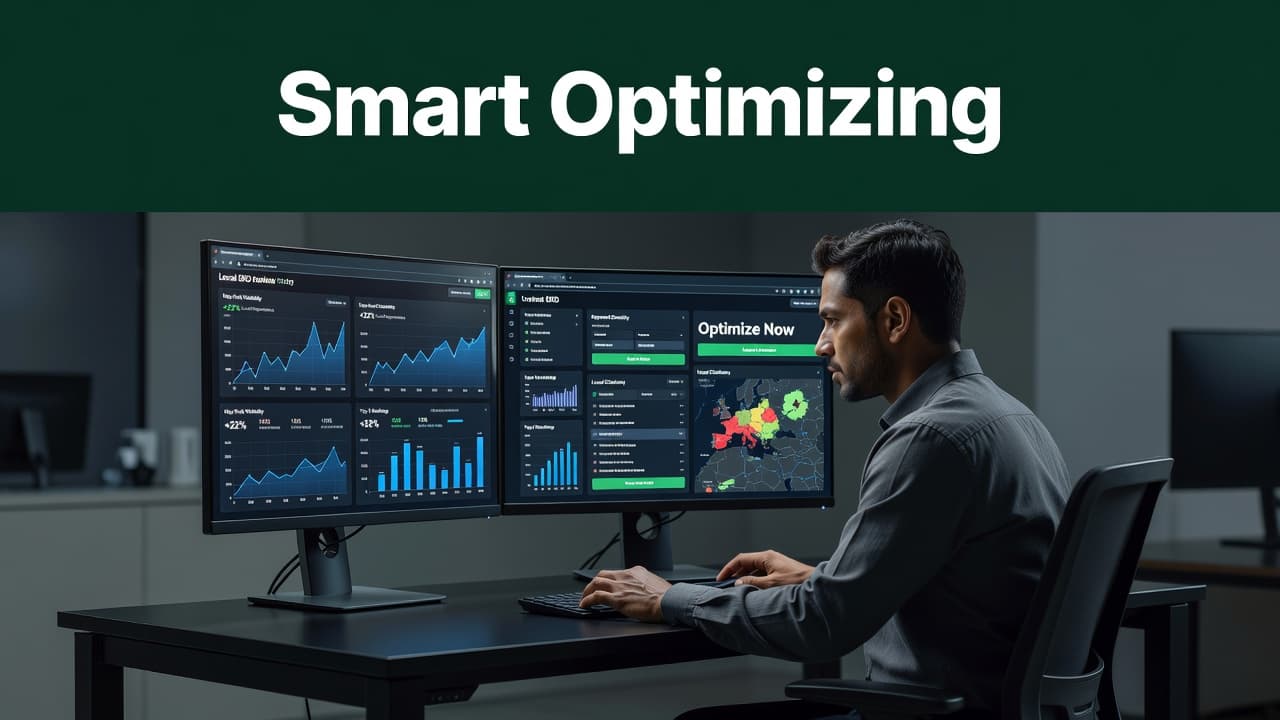
Tune your Google Business Profile for stronger local signals
Start with your Google Business Profile itself. Whitespark’s 2026 local ranking data puts the primary category at the top of the list, so pick the closest match to your main offer. If you operate without a physical storefront, ensure you are properly configured as a service area business to define your reach. Then complete every field you can, including services, hours, description, and photos.
Use your real business name only. Keep your NAP identical on the profile and your website. Fresh photos matter too, because a verified business looks more trusted to both users and algorithms than a profile that has been left to go stale.
Build review momentum, not just a big review count
A pile of old feedback isn’t enough. Google pays attention to recent input, a steady flow of entries, and replies from the business owner.
Ask happy clients for customer reviews soon after a win, when the result is still fresh. Reviews that mention a real service and a real place can help because they add context. Replies also matter, since they show the business is active and paying attention to their audience.
Strengthen the website behind the listing
Your listing and your website should back each other up. Your overall Website SEO acts as the foundation for your local visibility. A generic homepage rarely does the job as well as dedicated service pages. Give each core service its own page, keep the goal clear, and answer the questions people ask before they contact you: price range, timing, what happens next, and where you work.
Location pages can help too, but only if they feel real. Add neighborhood details, job photos, reviews, and examples that match the area. Link pages together cleanly and make the site fast on mobile. More than half of local searches happen on phones, so tap to call buttons and short forms should be easy to find.
Use local citations, links, and real community proof
Citations still matter because inconsistent business details confuse both Google and customers. Audit major directories, industry sites, your website footer, and anywhere else your agency appears. Even small address variations can weaken trust.
Then build proof that feels local. A chamber of commerce listing, a supplier mention, a neighborhood sponsorship, or coverage in local news can carry more weight than dozens of weak directory pages. When you combine these tactics with a well maintained profile on Google Maps, you signal to the search engine that your agency is real, active, and deeply connected to the area.
When you need to reach farther, these are the only real options
At some point, signal improvements hit a wall. When that happens, there are only a few honest ways to push farther.
Opening a real office is the cleanest way to expand reach
A new physical location in the target city gives Google a new proximity center. That is completely different from trying to stretch one address across several towns.
If your agency wants steady Map Pack visibility in another market, a real office is the cleanest long-term move. Fake offices and virtual setups create risk, and profile suspensions are not worth it. Relying on local backlinks and consistent brand mentions helps build the authority needed to support these expansion efforts, even when you are balancing your rankings against traditional organic search results.
Use sponsored ads to cover the gaps while SEO catches up
Sponsored ads can fill the holes while organic visibility grows. If you want fast exposure in nearby cities, ads with location targeting can put your agency in front of ready to hire searchers right away.
That works well when your profile is strong at home but weak in surrounding areas. If you want help sorting out the mix of ads, local SEO, and profile fixes, book a No-cost discovery call.
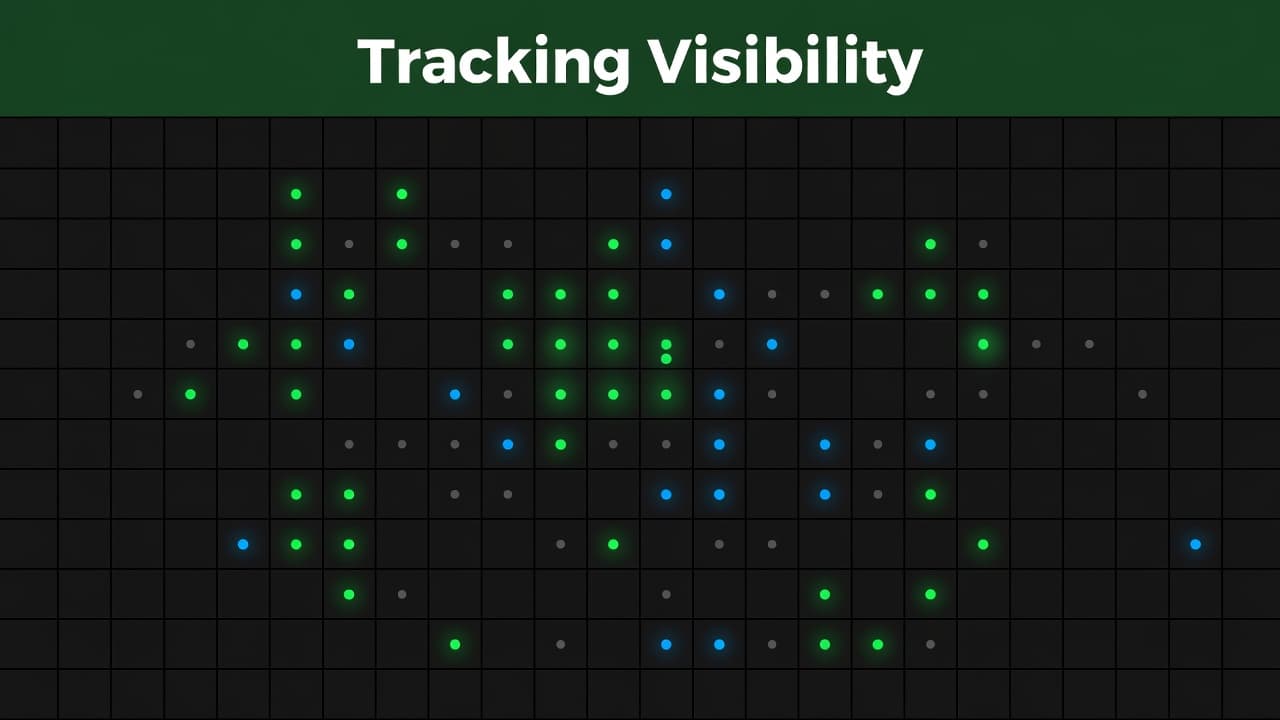
Track visibility by zip code or grid, not guesswork
Do not judge reach by checking your own phone. Use map rank tracking, geo-grid tools, call tracking, and lead data to see where you actually show up.
Then watch what matters: calls, form fills, booked appointments, and map visibility by area. Monitor your click-through rate to see how effectively your listing converts searchers into actual digital leads or physical foot traffic. Traffic can look healthy and still bring weak leads. Good tracking shows which ZIP codes deserve more content, more reviews, or a stronger ad push.
Frequently Asked Questions
Can adding more service areas to my profile increase my reach?
No, adding service areas informs Google about where you work, but it does not act as a new ranking center. Google continues to weigh your verified physical address as the primary anchor for proximity-based search results.
Why do my rankings change when I move to a different neighborhood?
Local search results are highly dynamic and shift based on the specific location of the searcher. A business that appears in the 3-pack at your office may be displaced by a closer competitor when someone searches from a nearby town or district.
Is it worth setting up a virtual office or P.O. Box to rank in a new city?
It is not recommended, as Google’s guidelines strictly discourage fake office locations and virtual setups. Attempting this creates a high risk of profile suspension, which can permanently damage your agency’s online reputation and visibility.
What is the best way to bridge the gap if I want visibility in a city where I don’t have an office?
If you need immediate exposure in a distant market, the most effective strategy is to use geo-targeted paid ads. For long-term organic growth, focus on building deep local authority through neighborhood-specific website pages and legitimate community partnerships until you are ready to open a physical location.
Final thoughts
You cannot force Google to expand your map visibility. You can, however, build the signals that make wider visibility more likely over time: a clean Google Business Profile, high-quality reviews, a fast mobile site, consistent citations, and dedicated pages designed to satisfy local intent.
The strongest move is honesty. Match your profile to your website, build authority in the markets you want to capture, and open a real location if you need a new ranking center. By consistently optimizing these factors, you improve your standing in local search results and attract more relevant traffic to your agency.
If your agency wants a clear plan to improve your visibility, Call Us Today for a no-cost exploratory call.